.svg)

Adapting to new opportunities
The world has gotten more complicated. And for many families, the complexity is personal. Where you hold your assets, where your children live, where your business is based — these choices are increasingly shaped by geopolitical shifts, regulatory change and digital risk, alongside evolving immigration and residency rules. Things that used to feel settled aren’t anymore.
So families are adapting. The old model — one hub, one structure, one jurisdiction — is under pressure. What we’re seeing now is a move towards multi‑hub family office structures. Singapore and Hong Kong remain key anchors, but smart families aren’t putting all their eggs in one basket anymore. They are spreading across jurisdictions deliberately to protect against regulatory risk, support where family members want to live, and keep options open for the next generation.
Here’s the thing though. More jurisdictions means more complexity, and complexity without strong governance is just chaos. That’s why families doing this well aren’t just structuring across borders, they’re governing across borders.
Family constitutions, advisory boards, carefully chosen trustees and directors — these aren’t just legal formalities. They help keep a family’s intentions intact, even as assets and people move around the world.
The goal isn’t to build the most elaborate structure possible. It’s the simplest structure that works, and that the family can actually live with. Trusts, holding vehicles — when they’re set up thoughtfully, they balance flexibility with control.
Because ultimately, this isn’t about complexity. It’s about resilience. Building something that can handle regulatory change, geopolitical turbulence and generational transition without falling apart. That’s what we help families do.
If you’re thinking about your long‑term structure, we would love to talk.
So families are adapting. The old model — one hub, one structure, one jurisdiction — is under pressure. What we’re seeing now is a move towards multi‑hub family office structures. Singapore and Hong Kong remain key anchors, but smart families aren’t putting all their eggs in one basket anymore. They are spreading across jurisdictions deliberately to protect against regulatory risk, support where family members want to live, and keep options open for the next generation.
Here’s the thing though. More jurisdictions means more complexity, and complexity without strong governance is just chaos. That’s why families doing this well aren’t just structuring across borders, they’re governing across borders.
Family constitutions, advisory boards, carefully chosen trustees and directors — these aren’t just legal formalities. They help keep a family’s intentions intact, even as assets and people move around the world.
The goal isn’t to build the most elaborate structure possible. It’s the simplest structure that works, and that the family can actually live with. Trusts, holding vehicles — when they’re set up thoughtfully, they balance flexibility with control.
Because ultimately, this isn’t about complexity. It’s about resilience. Building something that can handle regulatory change, geopolitical turbulence and generational transition without falling apart. That’s what we help families do.
If you’re thinking about your long‑term structure, we would love to talk.
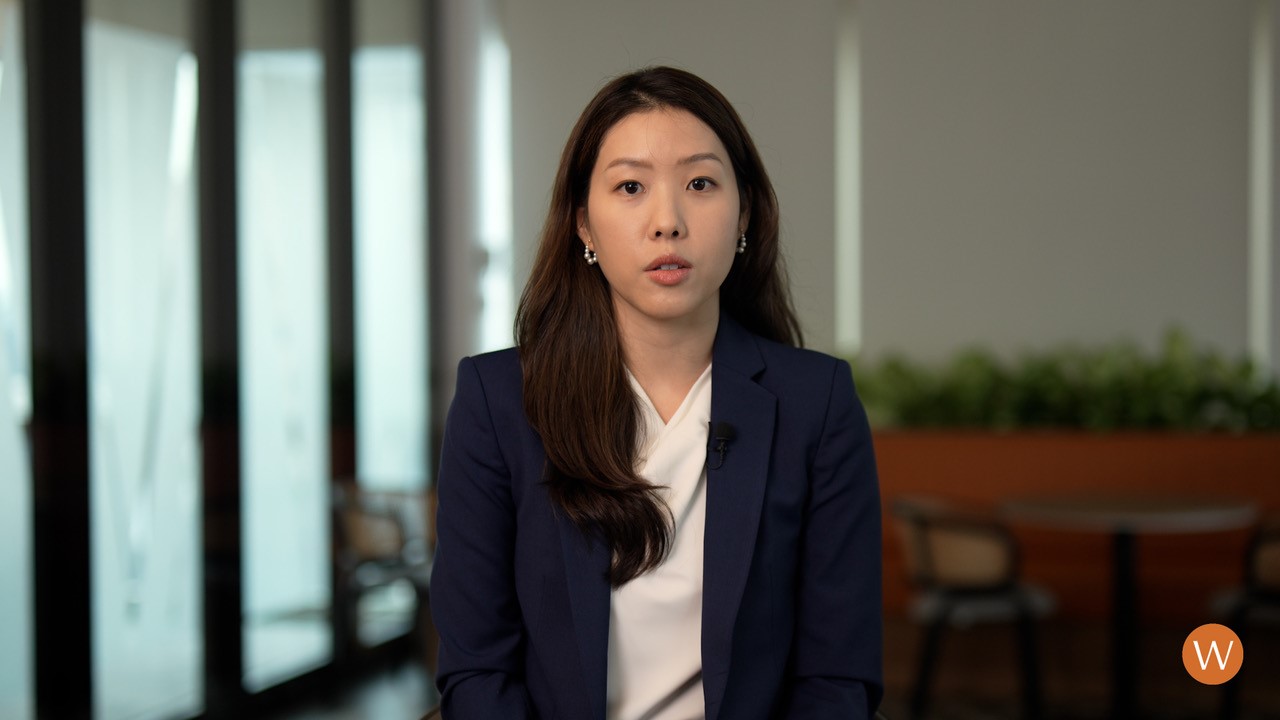
As geopolitical, regulatory and digital risks increase, families are rethinking traditional one jurisdiction structures and moving toward multi hub family offices. View this video to explore how thoughtful cross border governance, simplified structures and strong oversight help families build resilience, preserve flexibility, and support generational transition in an uncertain world.
Empowering family offices for success in a digital age
In a new era of risk - from cybersecurity and data privacy to AI, reputation and digital governance - how can family offices best protect the modern family enterprise?
The world has gotten more complicated. And for many families, the complexity is personal. Where you hold your assets, where your children live, where your business is based — these choices are increasingly shaped by geopolitical shifts, regulatory change and digital risk, alongside evolving immigration and residency rules. Things that used to feel settled aren’t anymore.
So families are adapting. The old model — one hub, one structure, one jurisdiction — is under pressure. What we’re seeing now is a move towards multi‑hub family office structures. Singapore and Hong Kong remain key anchors, but smart families aren’t putting all their eggs in one basket anymore. They are spreading across jurisdictions deliberately to protect against regulatory risk, support where family members want to live, and keep options open for the next generation.
Here’s the thing though. More jurisdictions means more complexity, and complexity without strong governance is just chaos. That’s why families doing this well aren’t just structuring across borders, they’re governing across borders.
Family constitutions, advisory boards, carefully chosen trustees and directors — these aren’t just legal formalities. They help keep a family’s intentions intact, even as assets and people move around the world.
The goal isn’t to build the most elaborate structure possible. It’s the simplest structure that works, and that the family can actually live with. Trusts, holding vehicles — when they’re set up thoughtfully, they balance flexibility with control.
Because ultimately, this isn’t about complexity. It’s about resilience. Building something that can handle regulatory change, geopolitical turbulence and generational transition without falling apart. That’s what we help families do.
If you’re thinking about your long‑term structure, we would love to talk.
So families are adapting. The old model — one hub, one structure, one jurisdiction — is under pressure. What we’re seeing now is a move towards multi‑hub family office structures. Singapore and Hong Kong remain key anchors, but smart families aren’t putting all their eggs in one basket anymore. They are spreading across jurisdictions deliberately to protect against regulatory risk, support where family members want to live, and keep options open for the next generation.
Here’s the thing though. More jurisdictions means more complexity, and complexity without strong governance is just chaos. That’s why families doing this well aren’t just structuring across borders, they’re governing across borders.
Family constitutions, advisory boards, carefully chosen trustees and directors — these aren’t just legal formalities. They help keep a family’s intentions intact, even as assets and people move around the world.
The goal isn’t to build the most elaborate structure possible. It’s the simplest structure that works, and that the family can actually live with. Trusts, holding vehicles — when they’re set up thoughtfully, they balance flexibility with control.
Because ultimately, this isn’t about complexity. It’s about resilience. Building something that can handle regulatory change, geopolitical turbulence and generational transition without falling apart. That’s what we help families do.
If you’re thinking about your long‑term structure, we would love to talk.
Get in touch
Related experience
As a full-service law firm, we are able to provide advice and information about a wide range of other issues. Here are some related areas.
