.svg)

Managing risk in modern family enterprises
We’re talking about family offices, the family enterprises they oversee, and risk management within those enterprises. Much of this is driven by the dynamic growth in wealth over recent years. The growth of privately held capital is not new, but the rapid exchange of information across state and national borders, the involvement of multiple private institutions, and the increasingly dispersed staff of family groups and family offices have created tremendous volumes of information flow and movement. As a result, risk management has become an essential part of operating any centralized management and control structure, such as a family office or a private trust company.
Family offices occupy a unique position because their staff often oversees three critical responsibilities. The first is administrative oversight and compliance associated with managing the family enterprise. The second is assisting family members—often branches of a family with diverse individuals spread across multiple states or countries. The third is coordinating with third‑party advisers and leading professional institutions that offer highly specialized services. This places family offices in a powerful position to manage physical, digital and personal risks, along with hedging, insurance and all other facets of risk management within the enterprise.
Effective risk management within a family office assumes that centralized management and control for the broader enterprise and its family clients rests with the single family office. Strong management relies on three components: the people involved, the processes they follow and the preparation they undertake. Family offices are typically structured as isolated legal entities with owners, directors responsible for strategic direction, and officers or managers overseeing day‑to‑day activities. Managers are usually tasked with recognizing and receiving information that may present risk‑management opportunities. They structure meetings, develop risk assessments, and identify who should act when risks arise for either the family clients or the assets held within the family system.
Effective risk management requires a system that is prepared and ready to act when needed. This function can be operationalized through the same three‑P framework. First, the organisation must identify who will take leadership responsibility. Roles or committees may be created within the family office’s directorship or management structure to clarify who will act when a risk emerges. In some cases, one or more family members—or a family council—may appoint someone to participate in the risk‑management framework. It might also include third‑party service providers or private experts with specialist knowledge relevant to particular risks. Knowing who to call is critical.
Just as a chief financial officer understands the family’s portfolios or a real‑estate manager knows the profile of family‑owned buildings, the family office needs the right people with the right skills in the right positions. In fiduciary structures, such as private trust companies, committees may be created to determine who is responsible for which risks. Communication is also essential to preparedness. Everyone involved—family clients of the family office, trust beneficiaries, protectors, appointers and trustee committees—must understand who is responsible for what. Clear communication ensures that when risks arise, the organization can respond effectively and confidently.
Family offices occupy a unique position because their staff often oversees three critical responsibilities. The first is administrative oversight and compliance associated with managing the family enterprise. The second is assisting family members—often branches of a family with diverse individuals spread across multiple states or countries. The third is coordinating with third‑party advisers and leading professional institutions that offer highly specialized services. This places family offices in a powerful position to manage physical, digital and personal risks, along with hedging, insurance and all other facets of risk management within the enterprise.
Effective risk management within a family office assumes that centralized management and control for the broader enterprise and its family clients rests with the single family office. Strong management relies on three components: the people involved, the processes they follow and the preparation they undertake. Family offices are typically structured as isolated legal entities with owners, directors responsible for strategic direction, and officers or managers overseeing day‑to‑day activities. Managers are usually tasked with recognizing and receiving information that may present risk‑management opportunities. They structure meetings, develop risk assessments, and identify who should act when risks arise for either the family clients or the assets held within the family system.
Effective risk management requires a system that is prepared and ready to act when needed. This function can be operationalized through the same three‑P framework. First, the organisation must identify who will take leadership responsibility. Roles or committees may be created within the family office’s directorship or management structure to clarify who will act when a risk emerges. In some cases, one or more family members—or a family council—may appoint someone to participate in the risk‑management framework. It might also include third‑party service providers or private experts with specialist knowledge relevant to particular risks. Knowing who to call is critical.
Just as a chief financial officer understands the family’s portfolios or a real‑estate manager knows the profile of family‑owned buildings, the family office needs the right people with the right skills in the right positions. In fiduciary structures, such as private trust companies, committees may be created to determine who is responsible for which risks. Communication is also essential to preparedness. Everyone involved—family clients of the family office, trust beneficiaries, protectors, appointers and trustee committees—must understand who is responsible for what. Clear communication ensures that when risks arise, the organization can respond effectively and confidently.
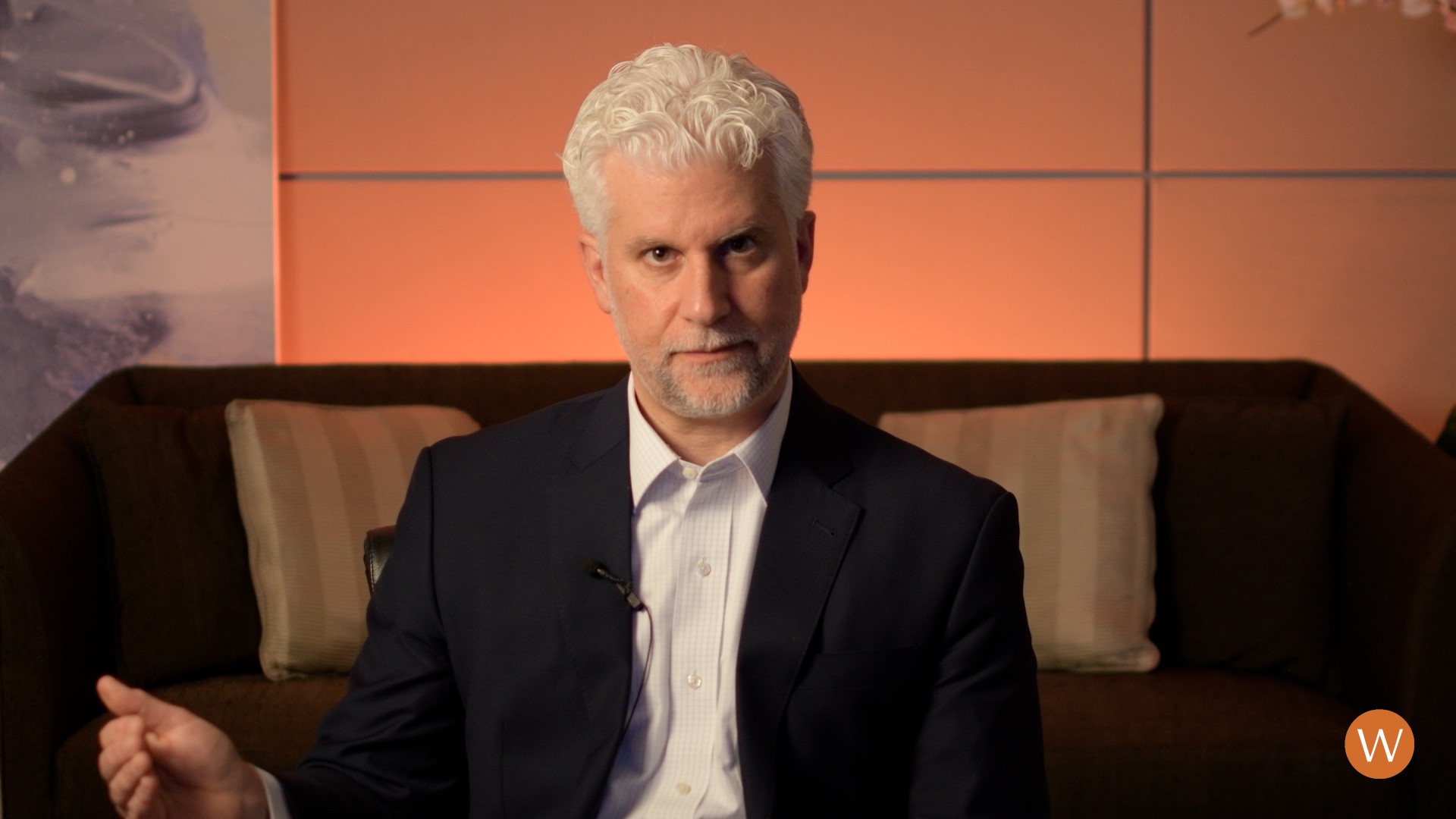
Family offices play a vital role in managing risk across complex family enterprises operating across borders and institutions. Effective risk management depends on centralized control, clear roles, strong communication, and the right people, processes, and preparation. View this video to understand how a structured risk management framework enables family offices to respond confidently to physical, digital and operational risks.
Empowering family offices for success in a digital age
In a new era of risk - from cybersecurity and data privacy to AI, reputation and digital governance - how can family offices best protect the modern family enterprise?
We’re talking about family offices, the family enterprises they oversee, and risk management within those enterprises. Much of this is driven by the dynamic growth in wealth over recent years. The growth of privately held capital is not new, but the rapid exchange of information across state and national borders, the involvement of multiple private institutions, and the increasingly dispersed staff of family groups and family offices have created tremendous volumes of information flow and movement. As a result, risk management has become an essential part of operating any centralized management and control structure, such as a family office or a private trust company.
Family offices occupy a unique position because their staff often oversees three critical responsibilities. The first is administrative oversight and compliance associated with managing the family enterprise. The second is assisting family members—often branches of a family with diverse individuals spread across multiple states or countries. The third is coordinating with third‑party advisers and leading professional institutions that offer highly specialized services. This places family offices in a powerful position to manage physical, digital and personal risks, along with hedging, insurance and all other facets of risk management within the enterprise.
Effective risk management within a family office assumes that centralized management and control for the broader enterprise and its family clients rests with the single family office. Strong management relies on three components: the people involved, the processes they follow and the preparation they undertake. Family offices are typically structured as isolated legal entities with owners, directors responsible for strategic direction, and officers or managers overseeing day‑to‑day activities. Managers are usually tasked with recognizing and receiving information that may present risk‑management opportunities. They structure meetings, develop risk assessments, and identify who should act when risks arise for either the family clients or the assets held within the family system.
Effective risk management requires a system that is prepared and ready to act when needed. This function can be operationalized through the same three‑P framework. First, the organisation must identify who will take leadership responsibility. Roles or committees may be created within the family office’s directorship or management structure to clarify who will act when a risk emerges. In some cases, one or more family members—or a family council—may appoint someone to participate in the risk‑management framework. It might also include third‑party service providers or private experts with specialist knowledge relevant to particular risks. Knowing who to call is critical.
Just as a chief financial officer understands the family’s portfolios or a real‑estate manager knows the profile of family‑owned buildings, the family office needs the right people with the right skills in the right positions. In fiduciary structures, such as private trust companies, committees may be created to determine who is responsible for which risks. Communication is also essential to preparedness. Everyone involved—family clients of the family office, trust beneficiaries, protectors, appointers and trustee committees—must understand who is responsible for what. Clear communication ensures that when risks arise, the organization can respond effectively and confidently.
Family offices occupy a unique position because their staff often oversees three critical responsibilities. The first is administrative oversight and compliance associated with managing the family enterprise. The second is assisting family members—often branches of a family with diverse individuals spread across multiple states or countries. The third is coordinating with third‑party advisers and leading professional institutions that offer highly specialized services. This places family offices in a powerful position to manage physical, digital and personal risks, along with hedging, insurance and all other facets of risk management within the enterprise.
Effective risk management within a family office assumes that centralized management and control for the broader enterprise and its family clients rests with the single family office. Strong management relies on three components: the people involved, the processes they follow and the preparation they undertake. Family offices are typically structured as isolated legal entities with owners, directors responsible for strategic direction, and officers or managers overseeing day‑to‑day activities. Managers are usually tasked with recognizing and receiving information that may present risk‑management opportunities. They structure meetings, develop risk assessments, and identify who should act when risks arise for either the family clients or the assets held within the family system.
Effective risk management requires a system that is prepared and ready to act when needed. This function can be operationalized through the same three‑P framework. First, the organisation must identify who will take leadership responsibility. Roles or committees may be created within the family office’s directorship or management structure to clarify who will act when a risk emerges. In some cases, one or more family members—or a family council—may appoint someone to participate in the risk‑management framework. It might also include third‑party service providers or private experts with specialist knowledge relevant to particular risks. Knowing who to call is critical.
Just as a chief financial officer understands the family’s portfolios or a real‑estate manager knows the profile of family‑owned buildings, the family office needs the right people with the right skills in the right positions. In fiduciary structures, such as private trust companies, committees may be created to determine who is responsible for which risks. Communication is also essential to preparedness. Everyone involved—family clients of the family office, trust beneficiaries, protectors, appointers and trustee committees—must understand who is responsible for what. Clear communication ensures that when risks arise, the organization can respond effectively and confidently.
Get in touch

Related experience
As a full-service law firm, we are able to provide advice and information about a wide range of other issues. Here are some related areas.
